Architecture in Mauritius has always been a mirror of its history- a vibrant tapestry of Dutch, French, British, and Indian influences. However, as we move through 2026, a new design language has taken center stage in the luxury villa market. It is a sophisticated, “Global Tropical” aesthetic that seamlessly merges the soul of the Traditional Mauritian Creole House with the serene, organic principles of Balinese Architecture.
At SmartVillas Mauritius, we have observed that our most sought-after properties are no longer just “modern boxes.” Instead, they are bioclimatic sanctuaries that respect the island’s heritage while embracing a zen-like minimalism. Here is how these two worlds are colliding to redefine luxury in 2026.
1. The Creole Heritage: The “Varangue” Reimagined
The backbone of any authentic Mauritian home is the Creole House, traditionally characterized by high pitched roofs, colorful facades, and the iconic varangue (covered veranda).
In 2026, architects are stripping back the ornate trimmings of the 19th century to focus on the function of these elements. The modern Creole house uses the varangue not just as a porch, but as the primary living space. By using lighter materials—such as slimline aluminium frames and sustainable ash wood—villas like those in our Poste Lafayette collection maintain the “colonial” silhouette but feel airy, transparent, and effortlessly contemporary.
2. The Balinese Influence: Living in Harmony with Nature
The “Balinese Style” has become a dominant force in the Mauritian luxury sector over the last two years. This isn’t about importing Indonesian décor; it is about adopting the Balinese philosophy of “Natah” (the open courtyard) and the seamless integration of water and stone.
- Inner Patios & Ponds: 2026 villa designs often feature central courtyards that allow light and air to penetrate the heart of the home. Water features are no longer just for the garden; they flow alongside living rooms, creating a natural cooling effect.
- Noble Materials: The use of volcanic basalt stone (a local Mauritian resource) paired with warm teak or bamboo reflects the Balinese emphasis on organic textures. This creates a “Zen” atmosphere that encourages immediate relaxation the moment a guest walks through the door.
3. The Rise of Bioclimatic Design: Luxury with a Conscience
Perhaps the most important trend for 2026 is Bioclimatic Architecture. With a global focus on sustainability, the ultra-luxury segment in Mauritius has moved away from high-consumption glass towers toward homes that “breathe.”
- Natural Air Conditioning: Rather than relying solely on electrical HVAC systems, 2026 villas are designed with cross-ventilation in mind. High vaulted ceilings and strategically placed louvers allow the sea breeze to naturally cool the interiors.
- Thermal Insulation: Re-interpreted traditional roofs (often using thatch or treated shingles) provide superior insulation against the tropical sun.
- Landscape Integration: Architects are no longer clearing sites; they are building around the existing endemic trees and volcanic outcrops, ensuring the villa feels like it has “grown” out of the Mauritian soil.
4. The “Indoor-Outdoor” Flow: No More Boundaries
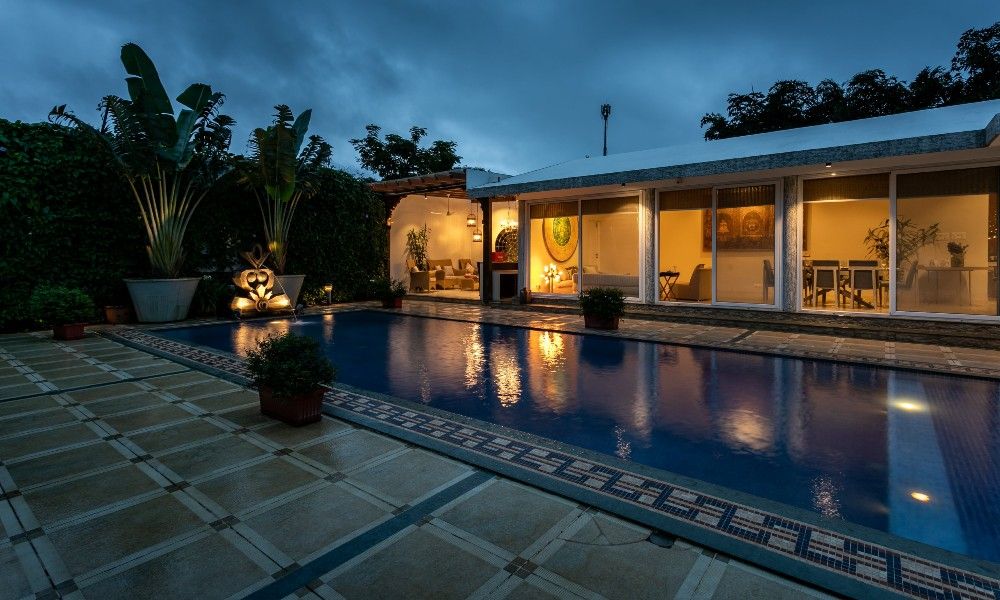
The ultimate hallmark of the 2026 Mauritian villa is the total disappearance of walls. Using frameless glass sliding doors that pocket into the walls, the living room literally becomes an extension of the pool deck.
In properties like Villa Tiara or Villa Karma, this fusion is perfected. You might find yourself sitting in a lounge that has the sleek, minimalist finish of a Parisian loft, yet you are under a traditional Mauritian roof, surrounded by a Balinese-inspired tropical garden.
Conclusion: Why Design Matters for Your Stay
For the luxury traveler, architecture is the “silent host.” A well-designed villa regulates your temperature, guides your view toward the lagoon, and provides the “spatial breathing room” necessary for a true mental reset.
At SmartVillas Mauritius, we prioritize properties that tell this story of fusion. Whether you prefer the historic charm of a modernized Creole estate or the meditative silence of a Balinese-inspired retreat, our 2026 portfolio represents the very best of the island’s architectural evolution.